Emergency Tree Services for Broken Branches and Uprooted Trees
Storm damage changes a property in minutes. A tree that looked stable at breakfast can be lying across a driveway by lunch, or a cracked limb can be hanging over a roof by late afternoon, twisting in the wind and threatening to fall. When that happens, speed matters, but so does judgment. The safest response is not always the fastest cut. It is the right cut, in the right order, with the right equipment and a clear understanding of what is still under tension, what is touching utility lines, and what can shift without warning.
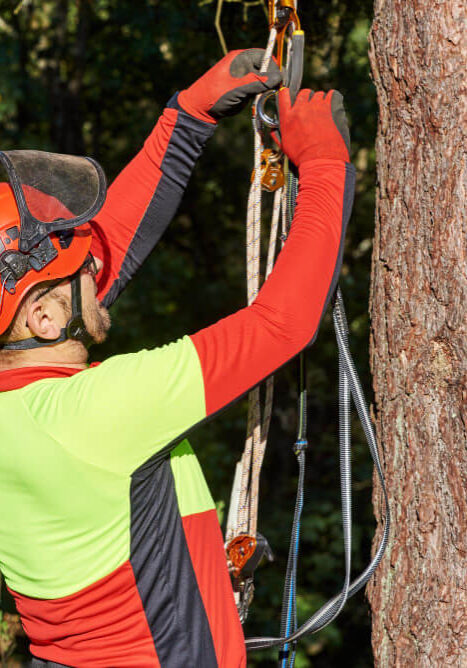
That is the real work behind Emergency Tree Services. People often picture chainsaws and crews hauling brush, and that is certainly part of it. But urgent tree work is just as much about risk control, triage, and disciplined decision-making. Broken branches, split trunks, partially uprooted trees, and storm-damaged root plates all behave differently. Each one creates its own hazards for homes, vehicles, fences, garages, and the people trying to clean up the scene.
I have seen calls where the damage looked minor from the street, then turned serious the moment we stepped into the yard. A branch hung up twenty feet high can store enough tension to kick back violently when cut. A leaning tree may appear to be resting safely against another canopy, but the root system can be slowly tearing underground, especially in saturated soil. That is why the first hour after a tree failure matters so much. Good emergency response is not just about removing debris. It is about preventing the second failure.
What counts as a tree emergency
Not every damaged tree needs same-day removal, but some conditions should never wait. A branch through a roof is obvious. So is a tree blocking a road or crushing a car. Other emergencies are quieter. A large scaffold limb split and attached only by a strip of bark is unstable even if it has not fallen yet. A tree leaning suddenly after wind or heavy rain often signals root failure. A trunk crack that runs vertically, especially one that opens and closes in gusts, deserves immediate attention.
The difference between urgent and non-urgent work often comes down to target and likelihood. A dead limb over an unused back corner of a large property may be important, but not critical that night. The same limb over a front entrance, nursery window, or power service line becomes a real emergency. This is where Dangerous Tree Assessment and Removal comes into play. The goal is not to create drama around every defect. It is to identify what can fail, where it can land, and how soon the risk could materialize.
Homeowners sometimes hesitate because the tree is still standing. That hesitation is understandable. If it has not fallen, it can feel less urgent. In practice, some of the most dangerous jobs involve trees that are still partly upright. They are unpredictable, loaded under tension, and often harder to dismantle safely than a tree already on the ground.
The first priority is safety, not cleanup
After a storm, people want to drag limbs aside, clear the driveway, or free a trapped vehicle. That instinct is natural, but it can create avoidable injuries. The first task is to isolate the hazard. Keep people out of the drop zone. Watch for downed lines, damaged service masts, and low-hanging conductors hidden in foliage. If a tree or branch is touching utility infrastructure, the utility company must be involved before anyone starts cutting.
A common mistake is assuming that because lights are still on, the line is not dangerous. Electricity does not always fail neatly. A damaged line can remain energized, and even nearby limbs or wet ground can become part of the Certified Arborist Consultation acetree.ca hazard area. Another mistake is trying to relieve pressure from a fallen trunk without understanding compression and tension. One cut in the wrong place can cause a log to roll, split, or spring.
On professional emergency calls, we usually start with a visual walkaround and a simple question: what can move next? Not what already fell, but what is likely to shift if wind picks up, if weight is removed, or if we make the first cut. That question keeps crews focused on secondary hazards, which are often what injure people after the main event.
Broken branches are rarely simple
A broken branch on the ground is one kind of problem. A broken branch hanging in the crown is another entirely. The second is what many crews call a hanger, and hangers deserve respect. They can be lodged in adjacent branches, twisted around other limbs, or balanced in a way that looks stable until vibration or a slight change in wind dislodges them.
This is where Tree Pruning & Crown Shaping overlaps with emergency work. Proper structural pruning done years earlier can reduce the odds of failure by lowering end weight, improving branch spacing, and removing weakly attached limbs before a storm finds them. In the emergency moment, though, the focus shifts from aesthetics and long-term architecture to immediate hazard reduction. We are not shaping a canopy for appearance. We are removing unstable material in a controlled sequence.
One oak job from a late summer thunderstorm still comes to mind. A limb roughly sixteen inches in diameter had split from the main stem and hung over a covered patio. The homeowner wanted it “just dropped” into the yard. From the ground, that sounded reasonable. Up close, the break had peeled down the stem, leaving fibers stretched like thick ropes and the limb pinched against another lead. A single release cut would have ripped bark down the trunk and likely damaged the tree beyond recovery. Instead, we pieced the limb out section by section, managed tension as we went, and preserved enough structure for the tree to remain viable. Fast work would have made the situation worse.
Uprooted trees create hidden instability
When a tree uproots, most people focus on the trunk and crown. The root plate is often the bigger story. If the soil has lifted and the roots have rotated out of the ground, the tree may still be connected at one side and holding tremendous force. Partially uprooted trees can settle back, roll farther, or collapse suddenly if the crown is cut carelessly.
Wet weather increases the problem. Saturated clay soils can lose grip quickly, while sandy soils may drain faster but offer less anchoring strength in some conditions. Species matter too. A shallow-rooted ornamental pear behaves differently from a mature pine or broad-canopied maple. The size of the root plate, the direction of lean, and the amount of soil attached all influence the approach.
In some cases, a small recently planted tree can be stood back up and re-staked if the root loss is limited and the trunk is not damaged. With larger trees, especially mature specimens, that option is rarely practical after a true uprooting event. By the time a forty-foot or sixty-foot tree has heaved out of the ground, root breakage is usually extensive. Dangerous Tree Assessment and Removal is often the right path, even if the tree is still partly alive. Keeping a compromised tree because the leaves are green is one of the more expensive emotional decisions a property owner can make.
Why emergency tree removal is different from routine tree work
Routine Tree Removal Services can be planned around access, weather, equipment, and crew size. Emergency jobs do not offer that luxury. Fences are crushed, gates are blocked, roofs are punctured, and lawns may be too soft to support heavy equipment. Work often happens after hours, in rain, or with utility restrictions in place. That changes the methods.
A clean open drop is uncommon during emergency response. More often, pieces need to be rigged, lowered, craned, or lifted from awkward positions. Debris can be entangled with gutters, skylights, pool enclosures, or neighboring trees. Crews may have to create safe access before actual removal can begin. Even cleanup becomes more technical when there is broken glass, exposed nails, roofing fragments, or splintered fencing hidden under brush.
Cost also varies more in emergencies than in planned removals. A homeowner may wonder why the price range sounds broad. The answer is that until the crew can inspect load points, internal decay, utility proximity, and access limitations, the true scope is uncertain. Honest contractors explain that uncertainty rather than pretending every storm job fits a standard menu.
The value of a Certified Arborist Consultation
In a true emergency, the immediate hazard comes first. Once the site is stabilized, a Certified Arborist Consultation becomes extremely valuable, especially if several trees were stressed but not completely destroyed. After major wind events, the obvious damage gets attention while the less obvious defects remain. A canopy may lose one lead and leave the rest of the tree unbalanced. Root flare movement may indicate partial root failure that did not show up from the street. A codominant stem with included bark may now be one storm away from splitting apart.
A qualified arborist can help sort what should be removed, what can be pruned, and what may benefit from support systems such as Tree Cable and Bracing. Not every cracked or leaning tree needs to be taken down. Not every storm-struck tree can be saved, either. The value is in informed judgment.
I have watched homeowners spend thousands removing the tree that looked worst while ignoring the one with the higher failure potential. That usually happens when decisions are based on appearance alone. Trees are structural organisms. The ugliest one is not always the most dangerous. The one with hidden decay, fresh root movement, and a defect over the main living area often deserves attention first.
When bracing or cabling makes sense, and when it does not
Tree Cable and Bracing can be useful after storm damage, but only in selected cases. Support systems are not rescue devices for every damaged tree. They are most effective when the tree has enough sound wood, enough healthy canopy, and a defect that can be mitigated rather than merely delayed. A split union in an otherwise valuable tree, or a heavy codominant structure with strong potential for retention, may be a good candidate.
They are a poor choice when the root system has failed, when major decay has hollowed critical load-bearing sections, or when the tree has already entered a decline that pruning and support will not reverse. Installing cables into a tree with little future can create false confidence. It may remain standing for a while, but standing is not the same as being safe.
Support systems also need follow-up. They are not a one-time fix you forget about for twenty years. Hardware should be inspected periodically, especially after severe weather. Trees grow, crowns shift, and loading patterns change. A cable that was appropriately placed when installed may need evaluation later as the tree matures.
After the tree is down, the stump still matters
Storm response usually focuses on making the site safe and restoring access. Once that is done, many property owners ask whether the stump can stay. Sometimes it can. Sometimes it should not. If the uprooted root plate has torn up sidewalks, irrigation, or foundations, full extraction may be part of the repair plan. If a tree was cut flush after emergency removal, Stump Removal & Grinding may be scheduled separately once the urgent phase is over.
Grinding is often the practical choice because it is less disruptive than full excavation. It reduces the visible stump and allows regrading or replanting in many situations. Full removal becomes more relevant when construction is planned, when roots interfere with utilities or hardscape repairs, or when the species is prone to sprouting aggressively.
This is another area where timing matters. The cheapest moment to think about the stump is when the crew and equipment are already on site, but that does not mean every stump should be addressed immediately. Saturated soil, limited access, and active insurance inspections can justify postponing that part of the work until conditions improve.
Insurance, documentation, and the details that save headaches later
Emergency tree jobs intersect with insurance more often than routine pruning does. That means documentation is worth taking seriously. Clear photos before work begins, especially wide shots and close-ups of contact points, help establish what happened and what was necessary to prevent further damage. Good contractors often document the scene for their own records as well.
What insurance covers varies by policy and by what the tree struck. Removal from a house may be treated differently from removal from open yard space. Preventive work on a tree that has not yet fallen is often treated differently from debris cleanup after a covered event. Because policies differ, homeowners should contact their carrier early, but not at the expense of safety. If a branch is through the roof and rain is moving in, stabilizing the situation cannot wait for paperwork.
A practical rule is simple: photograph first if it is safe to do so, then secure the hazard. If a tarp is needed, if a limb must be lifted off a structure, or if access for emergency repairs is blocked, those needs come first.
Preventing the next emergency
No tree care program can eliminate storm damage entirely. Healthy trees fail in extraordinary weather. Still, a surprising amount of emergency work traces back to problems that were visible years earlier. Long overextended limbs, deadwood left hanging over targets, weak unions, root damage from construction, and neglected pruning all increase the odds that a storm becomes a crisis.
The most effective prevention usually combines several services over time: routine inspections, Tree Pruning & Crown Shaping for sound structure, timely Tree Removal Services for trees beyond recovery, and in select cases Tree Cable and Bracing for valuable trees with manageable defects. In fire-prone regions, Wildfire Mitigation Tree Services also matter. Thinning ladder fuels, increasing spacing, reducing dead material, and pruning for defensible space can lower both fire behavior and the chance that weakened trees later become wind failures after burn damage or drought stress.
A property with mature trees should not operate on a crisis-only cycle. Waiting until branches are on the driveway is the most expensive way to manage a canopy. The more practical model is periodic review, especially after major weather swings, drought years, nearby excavation, or visible changes in lean and vigor.
For homeowners who want a simple post-storm screening mindset, these are the signs that deserve quick professional review:
- Fresh leaning, lifted soil, or visible root plate movement
- Cracks in the trunk or at major branch unions
- Large hanging limbs, especially over roofs, driveways, or walkways
- Limbs or trunks contacting utility lines or service equipment
- Sudden canopy loss or a tree that now looks badly one-sided
That list is not a substitute for an inspection, but it helps separate minor yard debris from conditions that can escalate quickly.
Choosing the right crew when the pressure is on
Emergency work attracts both excellent operators and opportunists. After regional storms, trucks appear quickly and promises get big. Under stress, homeowners sometimes hire the first person with a chainsaw and a magnet sign. That can go badly. Storm-damaged trees are not forgiving jobs.
A credible company should be able to explain its safety process in plain language, discuss whether a crane or rigging is needed, identify when utility coordination is required, and describe what portion of the work is immediate hazard mitigation versus full cleanup. If the damage involves structurally important trees, a Certified Arborist Consultation adds another layer of confidence. You are not just buying labor. You are buying judgment under uncertain conditions.
It also helps to ask what happens after the urgent work is complete. Will debris be removed the same day if conditions allow? Will stump work be separate? Can the crew return for follow-up pruning on neighboring trees that were stressed but not removed? Emergency Tree Services should solve the immediate problem while setting up the property for a safer recovery.
The goal is not just removal, it is restoring control
When a tree fails, the situation feels chaotic because it often is. Limbs are where they should not be, roofs are exposed, driveways are blocked, and the next gust of wind sounds different than it did the day before. Professional emergency response brings order back to the site. First by identifying what is dangerous now, then by removing or stabilizing those hazards, and finally by helping Tree service the property owner make sound decisions about what remains.
Sometimes that means rapid Tree Removal Services for a tree that cannot be saved. Sometimes it means preserving a valuable specimen through careful pruning, support hardware, and ongoing monitoring. Sometimes it means scheduling Stump Removal & Grinding once the urgent phase passes. And in many cases, it means stepping back after the storm and looking at the whole landscape with fresh eyes, because the tree that failed may not be the only one under stress.
Broken branches and uprooted trees create visible damage, but the deeper issue is often structural instability you cannot fully judge from the patio door. That is why experienced assessment matters. Good emergency crews do not just clear what fell. They read the tree, the soil, the targets, and the forces still at work. That is what keeps a bad day from getting worse.
Name: Ace Tree Services Ltd.
Address: 4656 Wallace Hill Rd, Kelowna, BC V1W 4C2, Canada
Phone: 250-212-9593
Website: https://acetree.ca/
Email: [email protected]
Hours:
Sunday: Closed
Monday: 7:00 AM–5:00 PM
Tuesday: 7:00 AM–5:00 PM
Wednesday: 7:00 AM–5:00 PM
Thursday: 7:00 AM–5:00 PM
Friday: 7:00 AM–5:00 PM
Saturday: 7:00 AM–5:00 PM
Time zone: Pacific Time
Open-location code / Plus code: RHF8+8G Kelowna, British Columbia, Canada
Map/listing URL: https://www.google.com/maps/search/?api=1&query=Google&query_place_id=ChIJxRVIBx2LfVMRNRSkp6-IC0U
Embed iframe:
Socials:
https://www.facebook.com/p/Ace-Tree-Services-61585901931447/
Ace Tree Services Ltd. provides professional tree care from its Kelowna location on Wallace Hill Road.
The official website lists tree removal, stump removal and grinding, tree pruning and crown shaping, emergency tree services, certified arborist consultation, dangerous tree assessment and removal, tree cabling and bracing, and wildfire mitigation.
Ace Tree Services serves homeowners, businesses, and property owners in Kelowna and throughout the Okanagan Valley.
The company’s official site highlights ISA Certified Arborist support, local Okanagan experience, and fully insured tree service work.
Customers can contact Ace Tree Services for planned tree maintenance, high-risk removals, storm-related tree concerns, pruning, stump grinding, and arborist consultation needs.
The supplied public listing address is 4656 Wallace Hill Rd, Kelowna, BC V1W 4C2, near rural and residential service areas in southeast Kelowna.
For tree services in Kelowna and the Okanagan, call 250-212-9593, email [email protected], or visit https://acetree.ca/
The public map listing uses plus code RHF8+8G Kelowna, British Columbia, Canada and can help customers find Ace Tree Services Ltd. near Wallace Hill Road.
Popular Questions About Ace Tree Services Ltd.
What does Ace Tree Services Ltd. do?
Ace Tree Services Ltd. provides tree removal, stump removal and grinding, tree pruning and crown shaping, emergency tree service, certified arborist consultation, dangerous tree assessment and removal, tree cabling and bracing, and wildfire mitigation.
Where is Ace Tree Services Ltd. located?
Ace Tree Services Ltd. is listed at 4656 Wallace Hill Rd, Kelowna, BC V1W 4C2, Canada.
What phone number should customers call?
Customers can call Ace Tree Services Ltd. at 250-212-9593.
What is the email address for Ace Tree Services Ltd.?
The supplied email address is [email protected].
What are Ace Tree Services Ltd.’s hours?
The supplied listing hours show Monday through Saturday from 7:00 AM to 5:00 PM, with Sunday closed, Pacific Time. The official website lists 7:00 AM to 5:00 PM, Monday through Friday, so customers should confirm Saturday availability before booking.
Does Ace Tree Services Ltd. provide emergency tree service?
Yes. The official website lists emergency tree services, including emergency tree removal, dangerous tree assessment, emergency stabilization, and limb or branch cleanup.
Does Ace Tree Services Ltd. offer arborist consultations?
Yes. The official services page lists certified arborist consultation as one of the company’s Okanagan tree services.
Does Ace Tree Services Ltd. provide stump grinding?
Yes. The official services page lists stump removal and grinding as a service.
What areas does Ace Tree Services Ltd. serve?
The official website states that Ace Tree Services serves Kelowna and the Okanagan Valley.
How do I contact Ace Tree Services Ltd.?
Call 250-212-9593, email [email protected], visit https://acetree.ca/, or use the listed social profile: Facebook.
Landmarks Near Kelowna, BC
Wallace Hill Road: The road listed for Ace Tree Services Ltd. and a practical reference point for the company’s Kelowna location.
East Kelowna: A nearby rural and residential area where tree maintenance, pruning, removals, and wildfire mitigation can be important for property owners.
Myra-Bellevue Provincial Park: A major outdoor landmark southeast of Kelowna and a useful reference for the surrounding hillside and forested areas.
Gallagher’s Canyon: A nearby Kelowna community with residential properties, mature trees, and landscape maintenance needs.
Kettle Valley: A southeast Kelowna neighborhood with homes, parks, and landscaped properties.
Mission Creek Greenway: A well-known natural corridor in Kelowna and a local reference point for tree-lined recreation areas.
Orchard Park Shopping Centre: A major Kelowna retail landmark and citywide reference point.
Downtown Kelowna: A central business and residential district within Ace Tree Services’ broader Kelowna service area.
Okanagan Lake: A major regional landmark running through Kelowna and the surrounding Okanagan Valley.
Mission Creek Regional Park: A recognizable Kelowna park and natural landmark with extensive trees and trails.
Rutland: A large Kelowna community with residential and commercial properties that may need tree service support.
Glenmore: A Kelowna neighborhood with homes, parks, and established trees.
Lower Mission: A residential and lake-adjacent Kelowna area where pruning, tree health, and property safety can matter for homeowners.
Kelowna International Airport: A major transportation landmark north of central Kelowna.
West Kelowna: A nearby Okanagan community across the lake and a practical regional service reference.
For tree removal, stump grinding, pruning, crown shaping, emergency tree service, arborist consultation, dangerous tree assessment, cabling and bracing, or wildfire mitigation near these Kelowna and Okanagan landmarks, contact Ace Tree Services Ltd. at 250-212-9593, email [email protected], or visit https://acetree.ca/